A lonely village
As if out of time
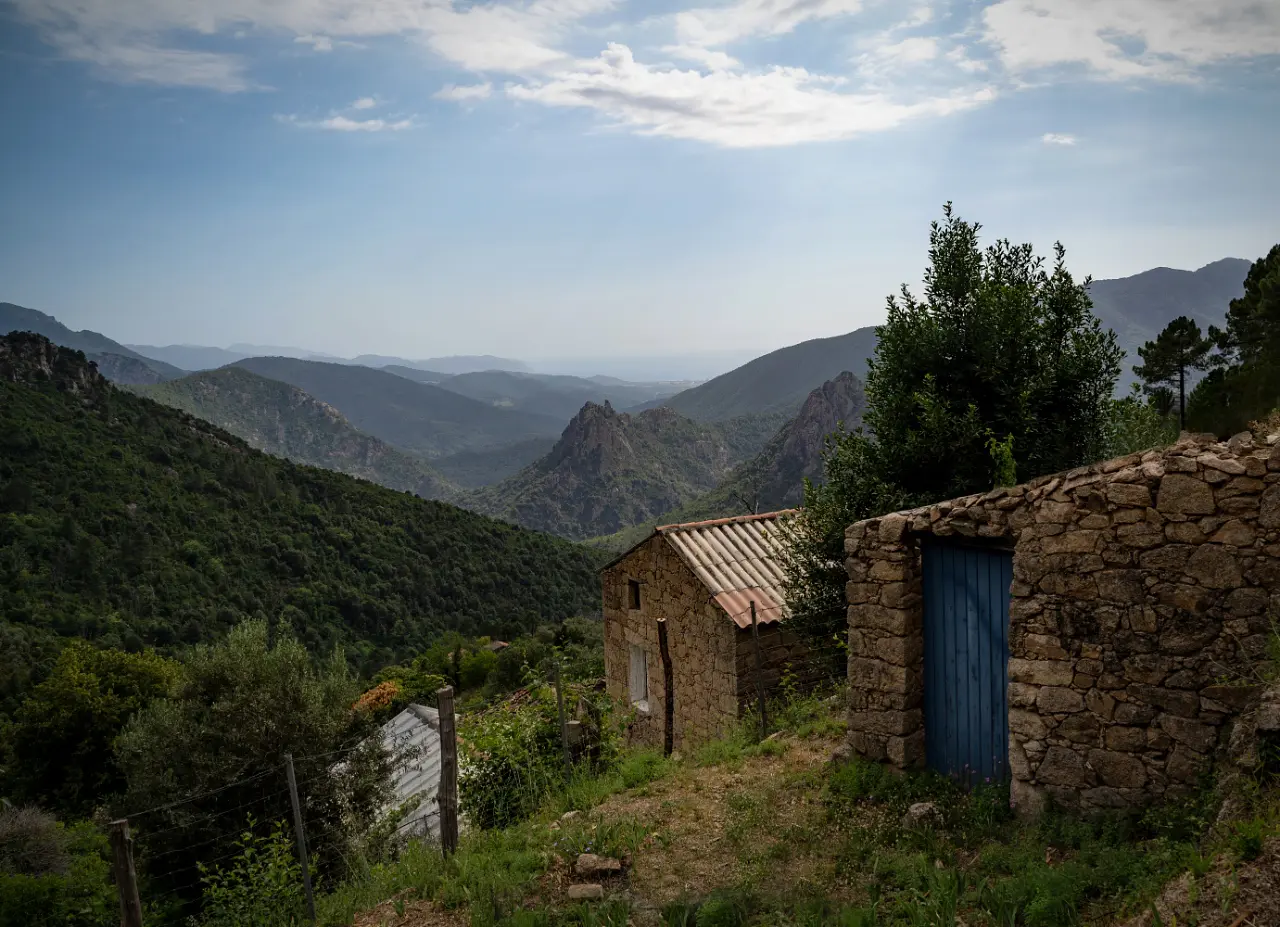
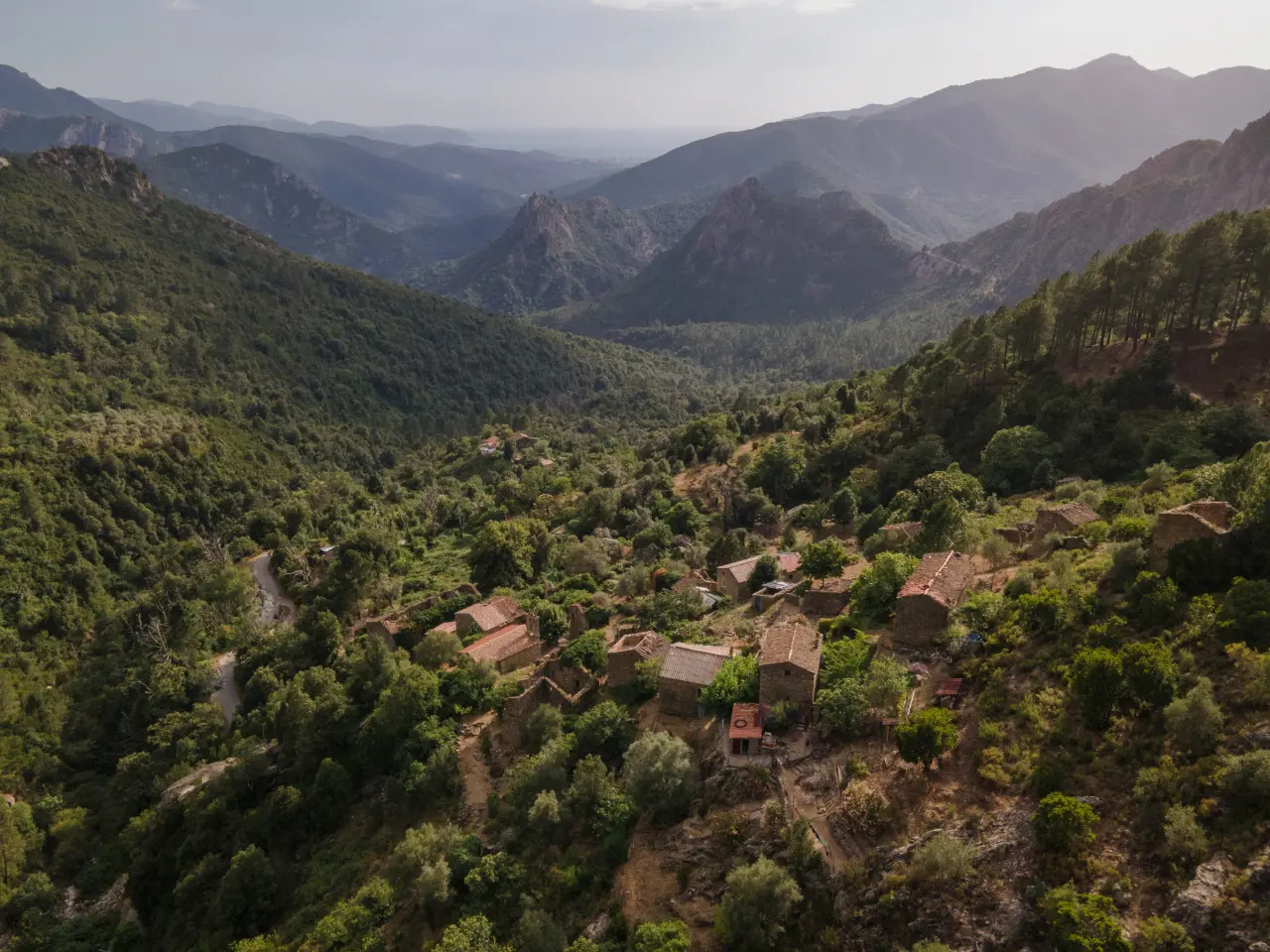
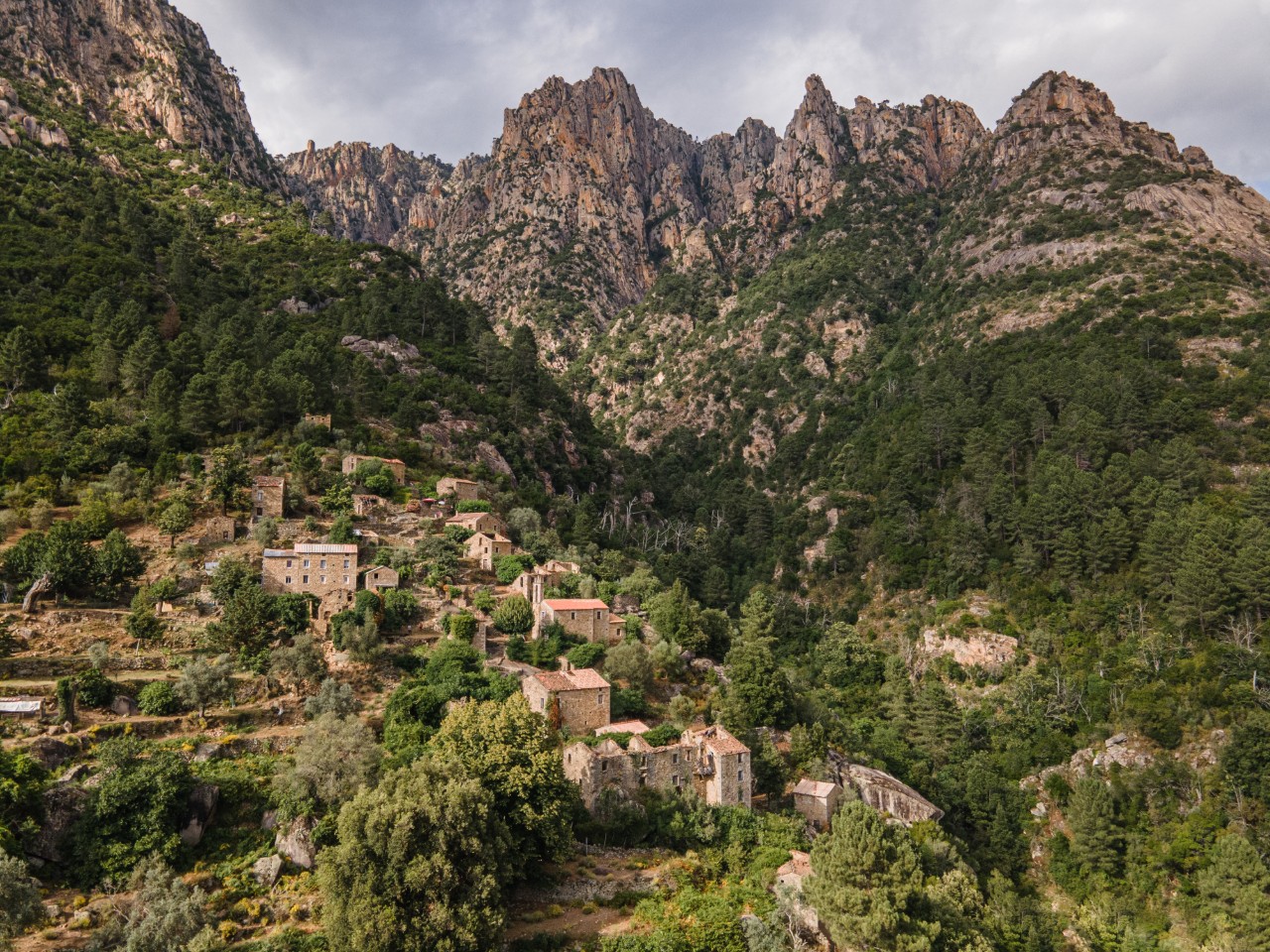
Suspended from the mountain and forever watched over by the Sposata, Muna is one of those places that call out for their singularity and the enigmatic atmosphere that inhabits these places.
Only a few kilometres from Rosazia and Murzo, its houses built in a staircase on the side of the mountain were gradually emptied of their inhabitants after the First World War.
It only comes back to life with the arrival of good weather and visitors who come to soak up the past.
Abandoned village of Muna

Originally...
Muna was founded in 1740 for the needs of the forestry industry, which was developing in the area, and was built in a staircase on the slopes of the Sposata.
The wood exploited at that time was transported to the coast via the Liamone River for export. It was used, among other things, to make boat masts.
Access to the hamlet is very difficult and long and is via a mule track that crosses the Muna calanche for about ten kilometres.
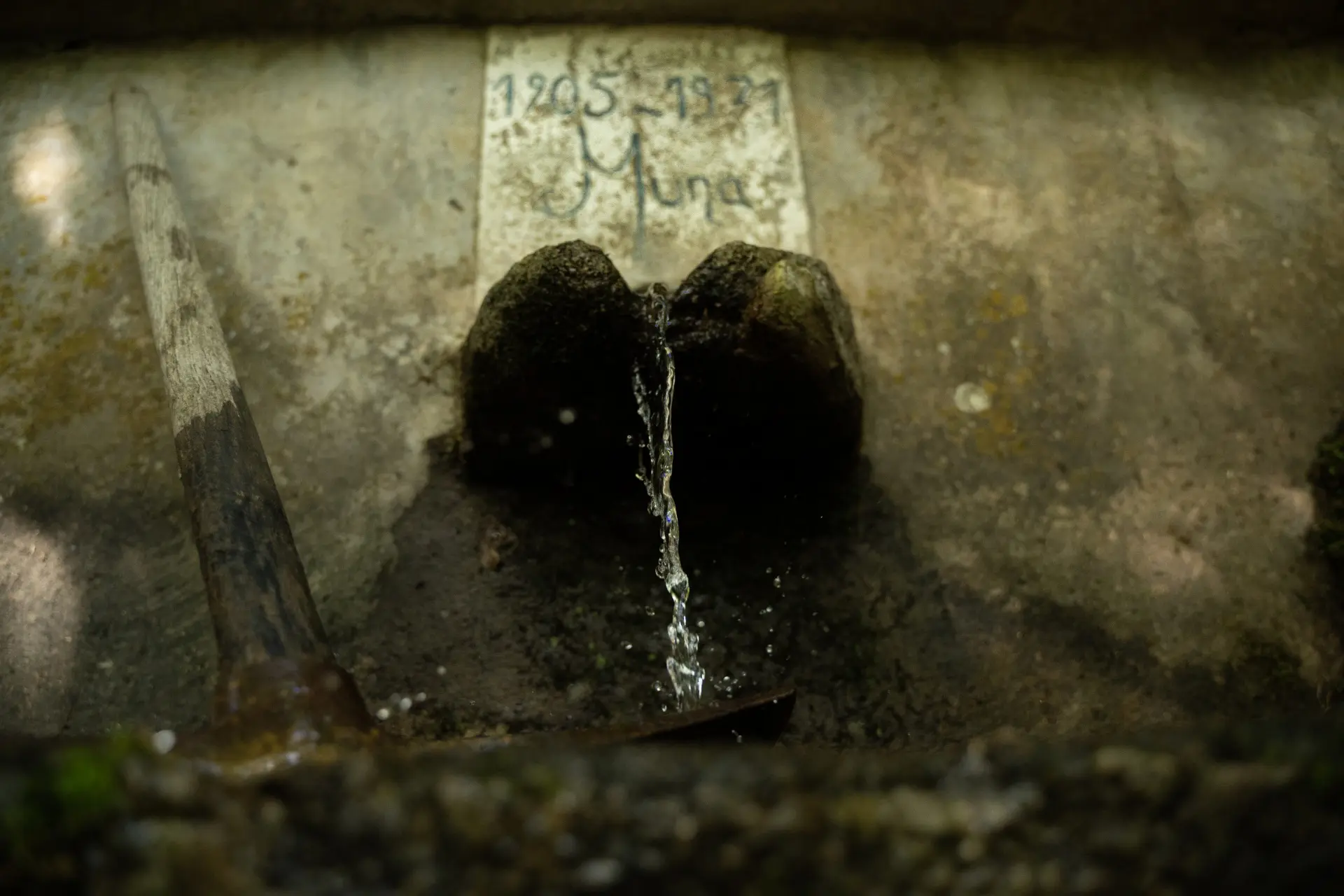
Despite the difficulties and the isolation, Muna lives in perfect autonomy thanks to its numerous resources from crops, olive trees, chestnut trees and the food provided by its "breadfruit trees" and flocks of sheep. Its mill and bread ovens
Rejuvenate in the heart of the stones
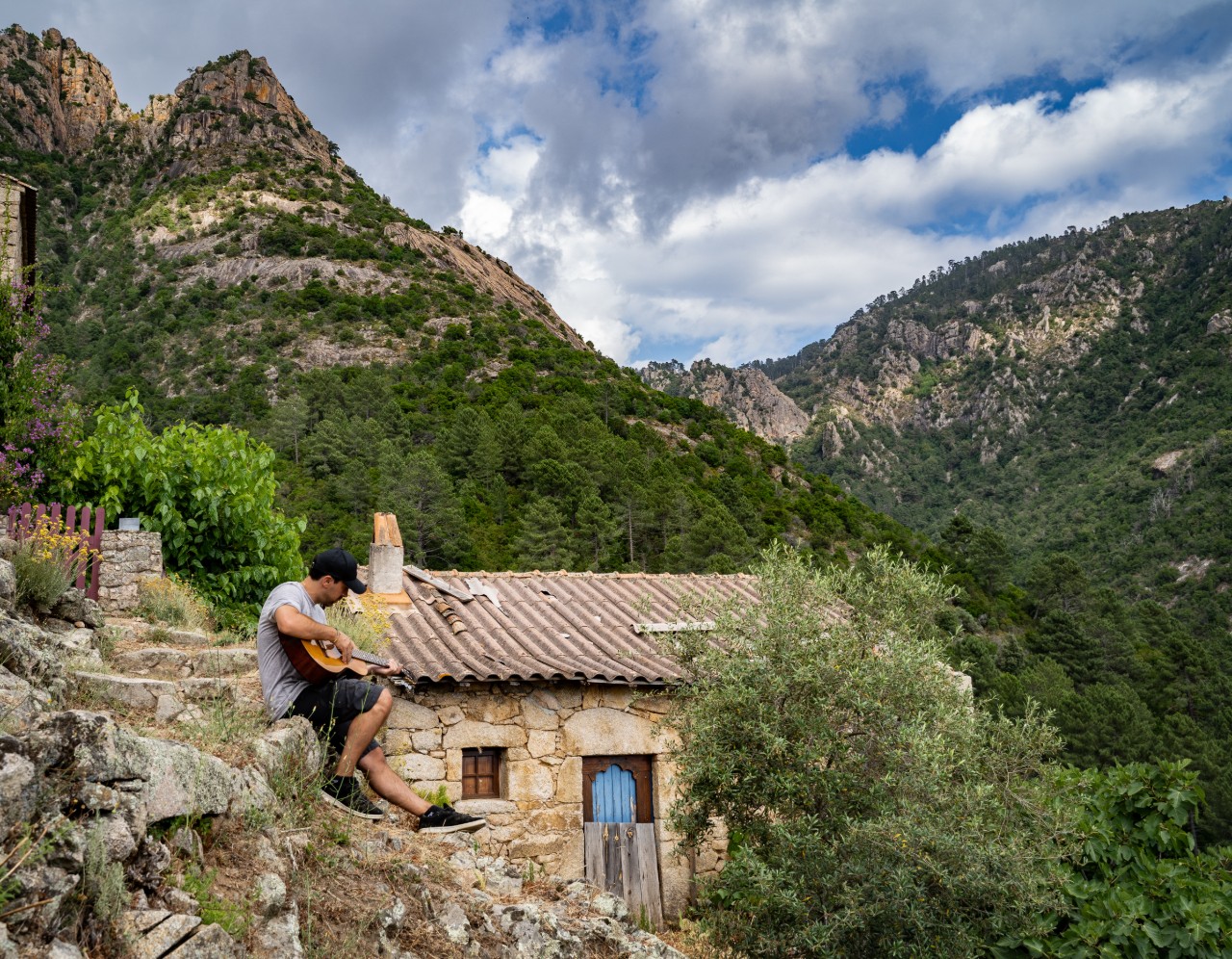
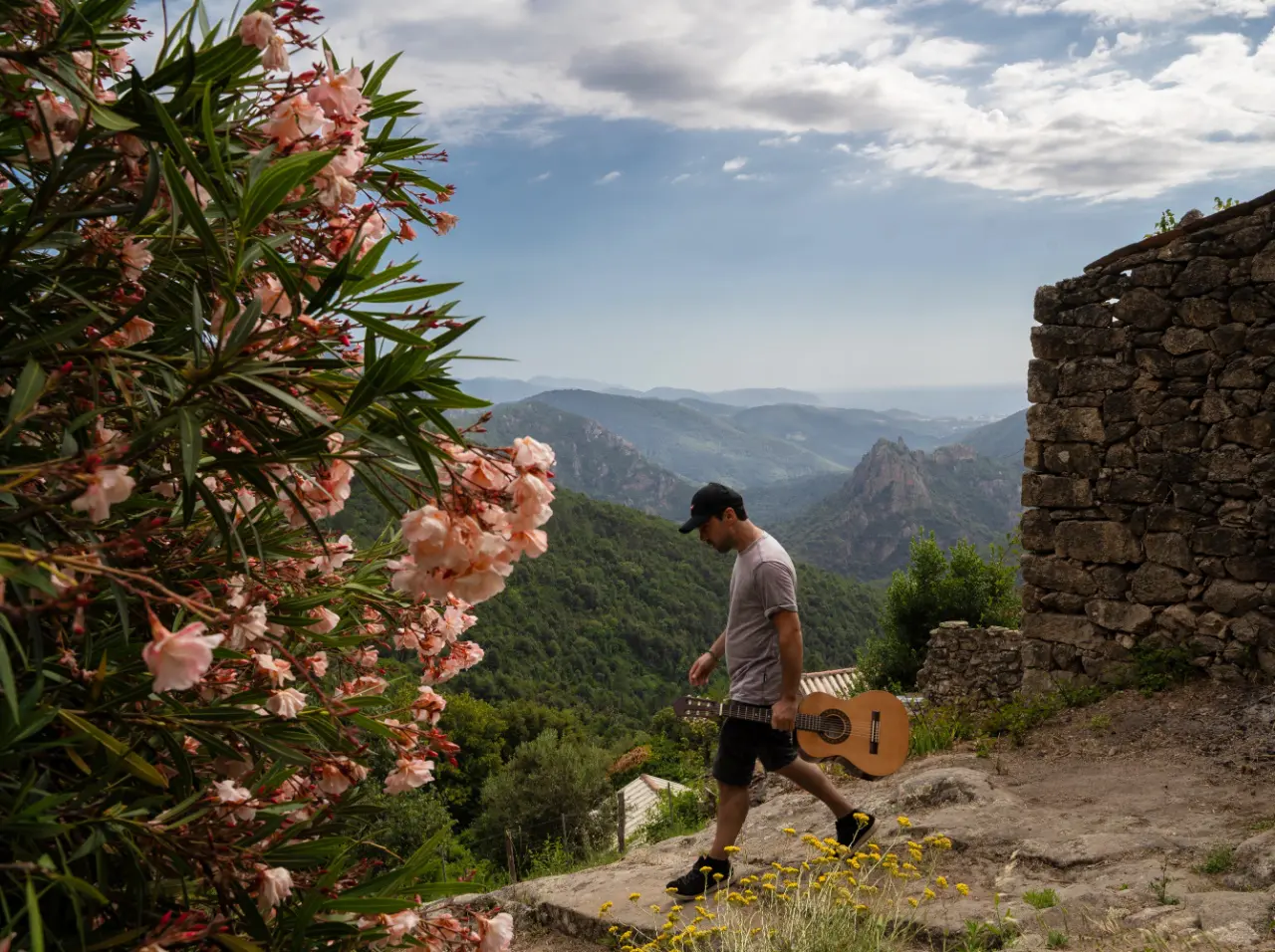
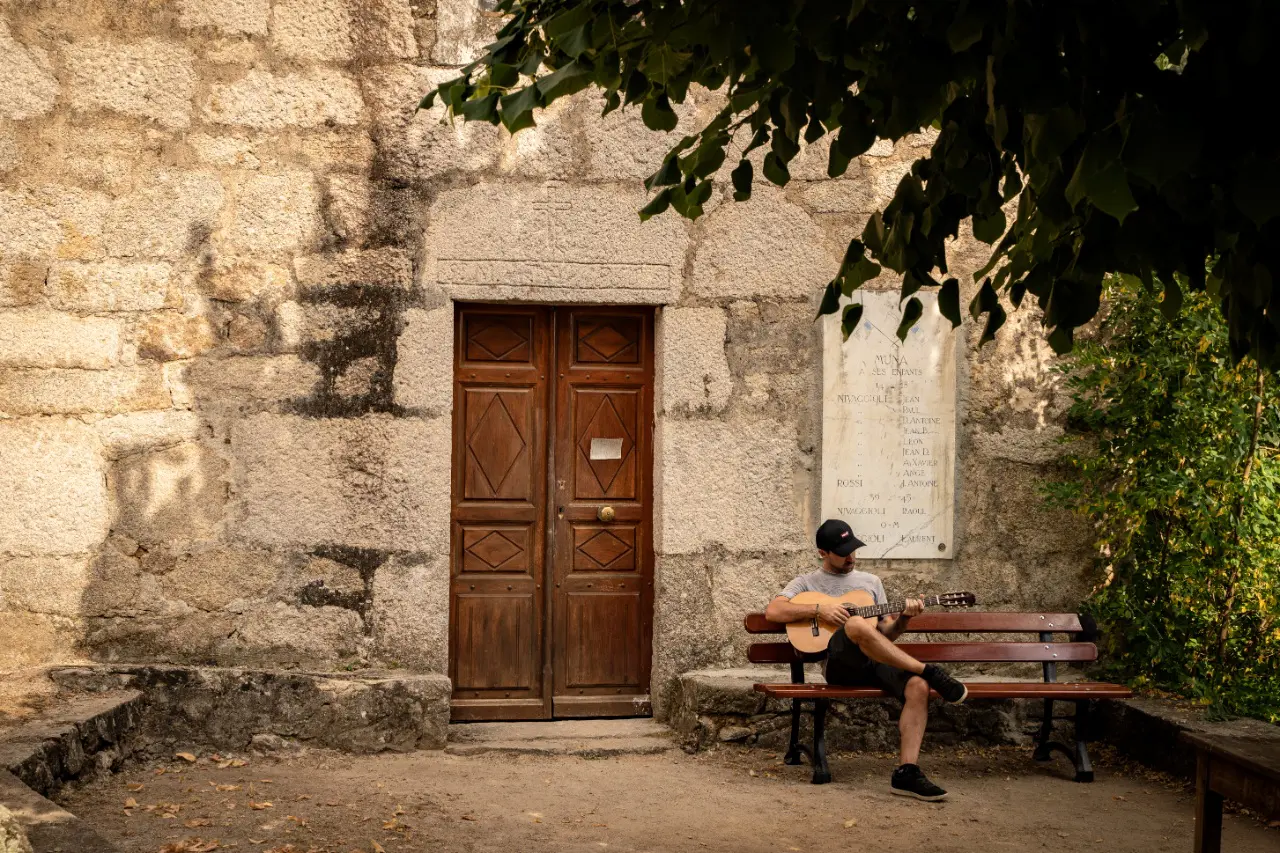
"For me, it is a place of pilgrimage, every time I have the opportunity I love to come and recharge my batteries in the heart of these stones, to try to understand and imagine what life was like in these ruins. It is a wonderful place full of emotions.
A place full of memories
From its 540m altitude, Muna offers an exceptional panoramic view of the sea in the distance, which calls for contemplation.
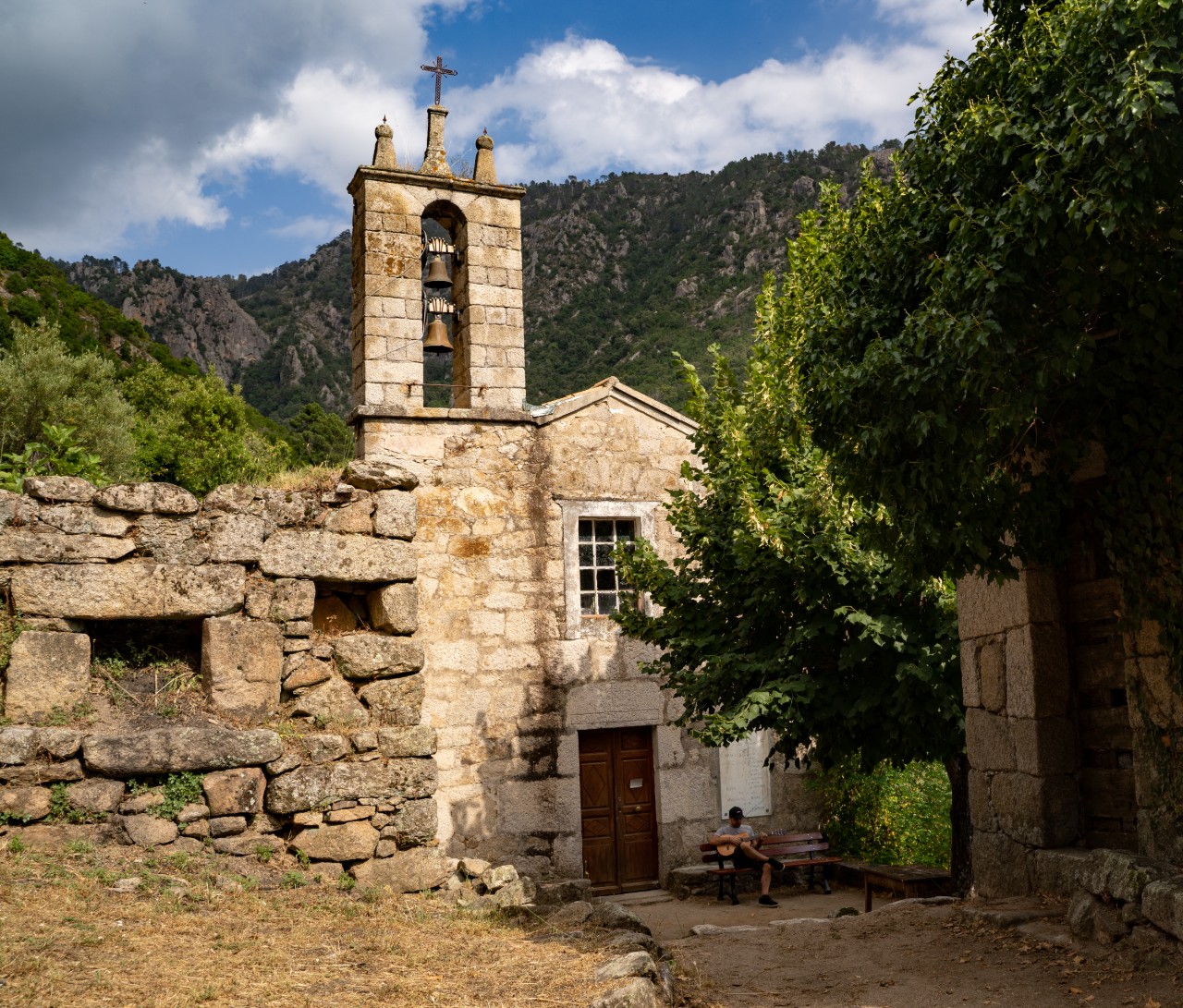
As we walk through the village, we gradually return to a not-so-distant past, punctuated by the sound of the church bell and the laughter of children leaving the school. A school that welcomed up to 50 children.
But it is also here that we will feel the sad truth of these village children, who left for the First World War and will never come back.
A commemorative plaque on the wall of the church pays tribute to the children of Muna, which, like many other island communities, paid a heavy price during the war.
The remaining women and children left the village as time went by. Increasingly silent, Muna gradually died out until 1974 when the last inhabitant finally decided to leave.
Proud of the heritage of their ancestors, the descendants of the inhabitants of Muna have chosen to preserve this hamlet at all costs and why not make it truly alive again one day.


Close your eyes...
...and imagine
If you decide to visit Muna, sit back, close your eyes and let the magic of its history-laden stones take over.
Then you will surely hear the murmurs of women going about their daily chores, but also the laughter of children playing and running in the narrow streets.
Then stop for a moment in its small church dating from the 17th century which has been restored. There, meditate and imagine yourself, on a Sunday morning, in the midst of 100 inhabitants who have come to attend mass.
A real journey into the past...
How to get there?
In the past, Muna was only accessible by a mule track that led to Rosazia.
Steep and uneven, this path running along the curves of the Liamone for more than ten kilometres proved to be extremely dangerous.
But it was thanks to the singer Antoine Ciosi, who covered a song by the Vincenti brothers called " L'Omu di Muna", that things moved on. Indeed, in 1987, the mule track was replaced by a tarmac road.
You must therefore first reach the village of Vico. Once you have reached Vico, take the D23 to Murzo.
At the church, turn right to go to Muna. On the D4, you pass by Bocca a Verghiu, a very narrow road that runs alongside the calanche of Muna.
Breathtaking landscapes and sensations guaranteed in the middle of these vertiginous cliffs.
Once you arrive at your destination, all you have to do is lace up your walking shoes for a short walk...